Intshayelelo
Ukwenza isitofu sokungunda ngokuchanekileyo kubalulekile kwimveliso, kufuna umdibaniso wobugcisa kunye nobugcisa. Ibalulekile kwiimveliso ezincinci, ezintsonkothileyo, apho zonke iinkcukacha zixhomekeke kuyilo lokungunda olucokisekileyo kunye nokuveliswa. Izibungu ezichanekileyo ziqinisekisa umgangatho ongaguqukiyo, ngakumbi kwi-aerospace, unyango, kunye ne-electronics, apho neziphene ezincinci zingakhokelela kwimiba ebalulekileyo.

Yintoni Ukwenza i-Precision Injection Mold?
Ukwenziwa kokungunda okuchanekileyo kudibanisa isinyithi, ubuchwephesha, kunye nobugcisa obunonopheleyo bokuyila ukubumba okuchanekileyo okusetyenziselwa ukuvelisa amacandelo ngokubumba inaliti. Ngokungafani nokubumba okuqhelekileyo kugxininise kwimveliso yobuninzi, ukubumba okuchanekileyo kubeka phambili ukuchaneka nokuqwalaselwa kweenkcukacha. Ziyimfuneko kumashishini aphezulu apho ukuchaneka kubalulekile.
Ukuchaza Ukuchaneka
Ukuchaneka, kumxholo wokwenziwa komngundo, kudlulela ngaphaya kokuchaneka nje. Ibandakanya amandla obumba ukuba:
- Phinda kwakhona: Ngokuthembeka jonga uyilo lokuqala kuyo yonke indawo eveliswayo.
- Gcina: Gcina ukuchaneka kwimijikelo emininzi yemveliso.
- Ziquka: Qinisekisa ukuba ilungu ngalinye eliveliswayo alahluki koontanga balo ngokomlinganiselo nangomgangatho.
Umahluko ocacileyo wokwenziwa koMngundo oMgangatho
Ngokuthelekisa, ukubumba okuchanekileyo kunye nokubumba okusemgangathweni kwahluka kakhulu kwezi ndawo zilandelayo:
- Ukunyamezela: Ukubumba okuchanekileyo kuhambelana nokunyamezela okugqithisileyo, ngamanye amaxesha ukuya kwii-micrometers ezimbalwa, ukuqinisekisa ukuba iindawo eziveliswayo zihambelana ngokungenasiphako kwaye zihambelana neenkcukacha zoyilo.
- Ukuntsokotha: Amandla okwenza uyilo oluntsonkothileyo, iijiyometri ezimacala maninzi, kunye neempawu ezintsonkothileyo luphawu lokwenziwa komngundo ngokuchanekileyo.
- Utyalo-mali: Zombini ngokwexesha kunye nezibonelelo, ukubumba okuchanekileyo kufuna utyalo-mali oluphakamileyo, ukulungelelaniswa nomgangatho wabo wemveliso kunye nokuqina.
Amashishini axhomekeke kwi-Precision Molding
Ezonyango, i-aerospace, i-electronics, kunye nokunye - amacandelo amaninzi ajikeleza kubuchule bokubumba okuchanekileyo:
- Izixhobo zonyango: Ukubumba okuchanekileyo kuyalela ukuthembeka kwezixhobo zonyango ezingenakubalwa, apho nokungafani kwemicroscopic kunokuba yingozi.
- Amacandelo e-Aerospace: Ukuqinisekisa ukuba izinto zikhaphukhaphu kodwa zomelele ngokungaguqukiyo kwaye zichanekile, ukubumba okuchanekileyo kudlala indima ebalulekileyo kwimveliso ye-aerospace.
- Ezombane: Njengoko izinto zombane zincipha ngelixa zisiba nzima ngakumbi, ukubumba okuchanekileyo kwenza ukuveliswa kwezinto ezihlangeneyo, ezineenkcukacha kunye nezithembekileyo.

Izixhobo ekwenziweni koMngundo ochanekileyo
Ukwenza isitofu sokungunda ngokuchanekileyo, imathiriyeli ingaphezulu nje kwesiseko. Badlala indima ebalulekileyo, ukudibanisa ukuchaneka koyilo kunye nokuqina, ukuqinisekisa ukuba isikhunta sinokusoloko sivelisa iindawo ezininzi ngaphandle kokulahlekelwa ukuchaneka okanye ukuguga.
Iimpawu eziBalulekileyo zeMathiriyeli yokuMngunda
Ukukhetha imathiriyeli efanelekileyo yokwenziwa kokungunda ngokuchanekileyo kuhlanganiswe nokuqonda kunye nokulungelelanisa iipropathi ezininzi, ukuqinisekisa ukuba ukungunda kunako:
- Melana noxinzelelo: Nyamezela uxinzelelo olukhulu lwenaliti ngaphandle kokuguqulwa.
- Ukuxhathisa Ukunxiba: Gcina ingqibelelo kunye neenkcukacha kwimijikelo engenakubalwa.
- Lawula i-Thermal Dynamics: Ukuququzelela ukupholisa okusebenzayo kunye nokumelana nokuhamba ngebhayisikile eshushu.
Steel Versus Aluminiyam: Ukhetho olubaliweyo
Intsimbi kunye neAluminiyam zivela njengeembangi ezixhaphakileyo kwimathiriyeli yokungunda, nganye inezibonelelo zayo kunye nemiqobo.
Iimbumba zentsimbi
IiPros:
- Ukumelana nokunxiba okuphezulu
- Umjikelo wobomi obanzi
- Izakhono ezigqwesileyo zokugqiba umphezulu
Ububi:
- Iindleko zokuqala eziphezulu
- Amaxesha okukhokela amade
Iimbumba zeAluminiyam
IiPros:
- Umatshini okhawulezayo
- Ukuqhuba kakuhle kwe-thermal
- Iindleko eziphantsi
Ububi:
- Umjikelo wobomi onokubakho umda
- Imiba enokwenzeka yokunxiba kwiimeko ezinomthamo ophezulu
Iingubo kunye noNyango: Ukuphucula ukusebenza kweMold
Ngaphandle kweepropathi zezinto eziphathekayo, iingubo kunye nonyango zisebenza ukukhulisa ukusebenza komngundo, ukwazisa ukongezwa:
- Nxiba ukuxhathisa: Ukwandiswa kokuqina kokungunda ngokuchasene nemathiriyeli yokurhawuka.
- Ukuxhathisa ukonakala: Ukukhuselwa kumhlwa onokuthi uvele kwiiplastiki ezithile okanye kwiinkqubo zokupholisa umngundo.
- NONE Ukuququzelela ukukhutshwa okulula kwenxalenye yokugqibela, ukunciphisa umngcipheko weziphene.
Ukurisayikilisha kunye noZinzo
Kwihlabathi elizingise kuqheliselo oluzinzileyo, ukusetyenzwa ngokutsha kunye nobuhlobo bendalo bezinto zokungunda ziye zagxila kwizinto ezibalulekileyo, ezibandakanya:
- Ukusetyenziswa kwezinto: Ukunciphisa inkunkuma ngexesha lokwenziwa kokungunda.
- Ukupheliswa koBomi kwakhona: Ukuqinisekisa ukubumba kungaphinda kusetyenziswe emva kokusetyenziswa.
- Iinkqubo ezihambelana ne-Eco: Ukusebenzisa iindlela zokwenziwa kwemveliso ezithathela ingqalelo iimpembelelo zokusingqongileyo.
IiTeknikhi zoBuchule boBuchule boBuchule
Ukubumba okuchanekileyo akwenziwanga nje ukuyilwa, kuyilwe ngobuchule, kufuna i-symphony yeendlela eziphambili zobuchule bokuzisa uyilo oluntsonkothileyo, oluchanekileyo kwinyani ebambekayo.
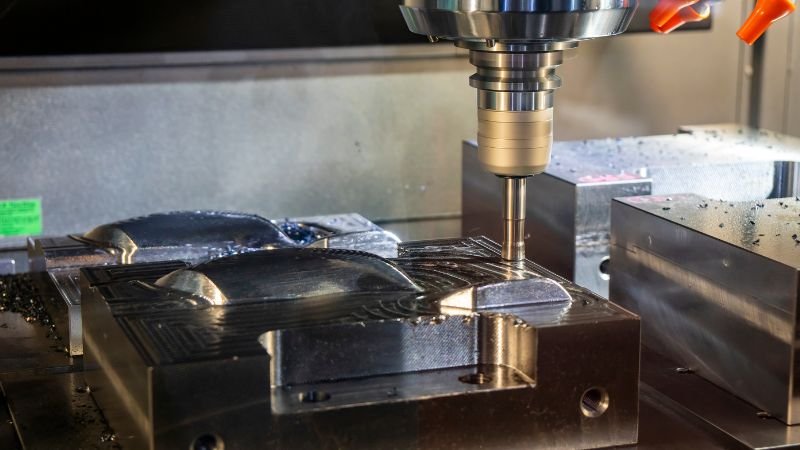
CNC Machining
IComputer Numerical Control (CNC) Machining, i-linchpin yokubumba ngokuchanekileyo, yenza ngokuzenzekelayo ukuguqulwa koyilo lwedijithali kwizinto eziphathekayo, ukuqinisekisa:
- Ukungaguquguquki: Ukuphindaphinda okungagungqiyo kwimijikelo emininzi yemveliso.
- Ukuchaneka: Ukubambelela kunyamezelo olungqongqo olungaphakathi ekwenzeni umngundo ochanekileyo.
- Ulawulo oluntsonkothileyo: Ukuququzelela ukufezekiswa koyilo oluntsonkothileyo kunye neejometri.
Umatshini wokukhupha uMbane (EDM)
I-Electric Discharge Machining (EDM), okanye i-spark machining, ixhobisa abenzi bokubumba ukuba bakrole umzuzu, iimpawu ezicacileyo ngokuchaneka okuphezulu, kugxininise:
- IiNkcukacha eziNgcono: Ukuvelisa iimpawu ezincinci kunye neenkcukacha ezintsonkothileyo ngenye indlela ocela umngeni ngomatshini oqhelekileyo.
- Umgangatho woMphezulu: Unikezela ngokugqwesa komphezulu ogqwesileyo, kubalulekile kuzo zombini iinkalo zobuhle kunye nokusebenza kweendawo ezibunjiweyo.
- Ukwenziwa kweMaterial Material: Ukuvumela ukwenziwa kwezixhobo zokubumba eziqinileyo ngaphandle kokwenza uxinzelelo.
Umatshini okwisantya esiphezulu (HSM)
Ukulinganisa ubumnandi bokuchaneka kunye nokulungelelaniswa kwemveliso, i-High-Speed Machining (HSM) ivela njengomdlali ophambili kwi:
- Amaxesha aNciphisiweyo okuKhokela: Ukukhulisa isantya semveliso ngaphandle kokuthomalalisa ngokuchanekileyo.
- Ukugqitywa komphezulu ophuculweyo: Ukunciphisa ukupolisha ngesandla ngokuqinisekisa umgangatho ophezulu owenziwe ngoomatshini.
- Ubomi obude besixhobo: Ukunciphisa ukunxiba kwizixhobo zoomatshini ngenxa yemikhosi esezantsi yokusika.
5-Axis Machining
I-5-Axis Machining pivots ekukwazini kwayo ukuhambahamba ngeeaxes ezintlanu ezahlukeneyo ngaxeshanye, ivula:
- Ukufezekiswa kweJiyometri entsonkothileyo: Ukuxhobisa abenzi bokubumba ukuba bakhe iifom ezintsonkothileyo, ezinamacala amaninzi.
- Ukufikeleleka kwesixhobo: Ukuvumela ukufikelela kwiifitsha zecandelo elingumngeni kunye neendlela ezisezantsi.
- Ukucwangcisa okukodwa: Ukunciphisa amaxesha okuseta kunye neempazamo ezinokwenzeka ngokuququzelela umatshini obanzi kulungiselelo olunye.
Ukudibanisa i-Automation
Ukuzenzekela ekwenzeni ubumba obuchanekileyo abuyonto ilula kodwa iyimfuneko, iqinisekisa:
- Imveliso ye-24/7: Ukwandisa imveliso ngokuququzelela umjikelezo wemveliso oqhubekayo, ongajongwanga.
- Imposiso yoMntu eNcitshisiweyo: Ukugcina ukuhambelana kunye nokuchaneka kuwo wonke umngundo oveliswayo.
- UkuPhuculwa kweZibonelelo: Ukusebenzisa ngokufanelekileyo imathiriyeli namandla, ukulungelelaniswa neendlela ezizinzileyo zokwenziwa kwemveliso.
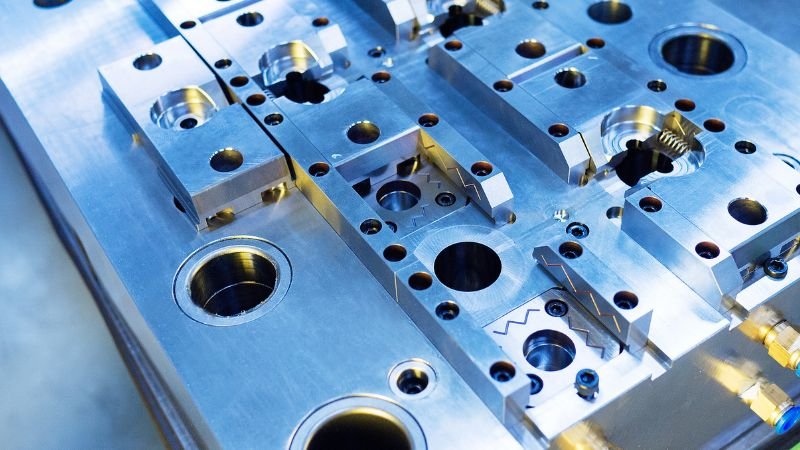
Ukunyamezelwa koBunjineli
Ukugcina unyamezelo olungqongqo ekwenzeni isitofu sokungunda ngokuchanekileyo kugqitha ngaphaya kweendlela zobunjineli eziqhelekileyo, ukungena kwindawo apho yonke imilinganiselo emincinci, ukuya kutsho kwimicron, inokugqiba impumelelo okanye ukusilela.
Ukuchaza ukunyamezela kwi-Precision Molding
Kumxholo wokubumba okuchanekileyo, ukunyamezela kubhekisela kwintlukwano evumelekileyo kwiimpawu zedimensional zenxalenye eyenziweyo. Ukuchaza kunye nokubambelela kule mida kuqinisekisa ukuba:
- Fit: Amacandelo adityaniswa ngokungenamthungo kwiindibano.
- Umsebenzi: Amalungu asebenza ngokugqibeleleyo ngaphandle kwemiqobo yoomatshini.
- Ifom: Ubuhle kunye nengqibelelo ye-ergonomic igciniwe.
Ubuchwephesha bokuPhumelela ukuNyamezelwa okuQinisekileyo
- UkuCwangciswa koMatshini ngokuchanekileyo: Ukusebenzisa amaqhinga omatshini aphezulu, afana ne-5-axis kunye ne-high-speed machining, eququzelela ukufezekiswa kunye nokuhambelana kokunyamezela okuqinileyo.
- UKhetho lweMathiriyeli oluLungileyo: Ukukhetha izixhobo ezingaxhathisiyo kuphela ukusetyenziswa ngokungqongqo kodwa zikwahlala zizinzile ngokwemijikelo yobushushu kunye noxinzelelo.
- Ukuchaneka kwezixhobo: Ukuqinisekisa ukuba izixhobo ezisetyenziselwa umatshini zenziwe ngobuchule kwaye zigcinwe ukunqanda ukungafani komgangatho ekudalweni kokungunda.
Imingeni ekuGcineni uNyamezelo lweMicroscopic
Ukuqinisekisa kunye nokugcina ukunyamezelana phakathi kweemicrometer ezimbalwa kuzisa uludwe lwemingeni:
- Ukuziphatha kweMathiriyeli: Ukulawula iinuances zendlela izinto ezanda ngayo, ikhontrakthi, kunye ne-warp phantsi kweemeko ezahlukeneyo zokusebenza.
- Ukuzinza koMatshini: Ukugcina uzinzo olungenampazamo kunye nokuchaneka kuyo yonke imijikelo ebanzi nephindaphindiweyo yomatshini.
- Ukunxiba kunye nokukrazula: Ukuchasana nobuqili, kodwa bubaluleke kakhulu, impembelelo yokuguga kwizixhobo kunye nokubumba.
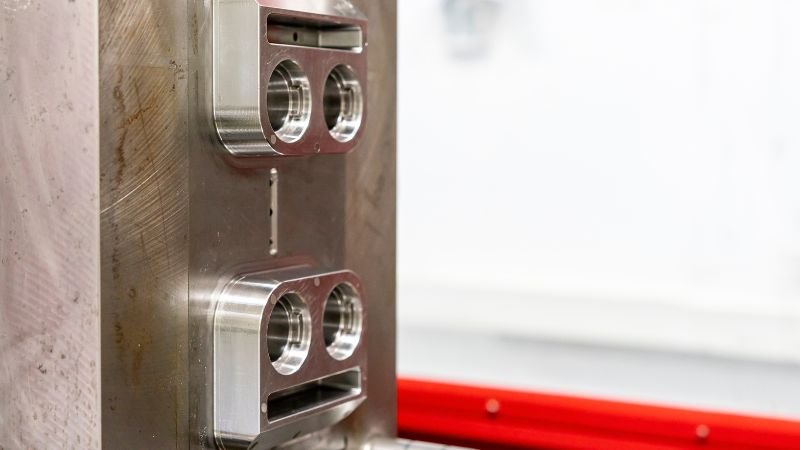
Ulawulo lwemeko & Ukuhlolwa
Kwindawo entsonkothileyo yokwenza isitofu sokungunda ngokuchaneka, kubalulekile ukuqinisekisa ukuba ukungunda ngakunye kuhlangabezana neenkcukacha ezichaziweyo kunye nemigangatho yomgangatho.
Ukubaluleka kokuchaneka
- Ukunyamezelwa kweMicroscopic: Ukuqonda kunye nokulawula imiceli mngeni yokugcina ukuchaneka ngaphakathi kokunyamezelana okuncinci.
- Impembelelo ethe ngqo kwiiMveliso zokuGqibela: Ukuqaphela ukuba ukuchaneka kwe-molds kuguqulela ngokuthe ngqo kumgangatho kunye nokusebenza kwezinto ezenziweyo.
IiProthokholi zoLawulo loMgangatho
- Ukuqinisekiswa koYilo: Ukuqinisekisa ukuba uyilo lokungunda lomelele kwaye lubambelela kwithiyori kunye nokusebenza okusebenzayo.
- Ukuqinisekiswa kweMathiriyeli: Ukuqinisekisa ukuba izinto ezisetyenziselwa ukwenza umngundo zihambelana nemigangatho echaziweyo kwaye zifanelekile kwizicelo ezijoliswe kuzo.
- Ukuqinisekiswa kweNkqubo: Ukubekwa kweliso okuqhubekayo kwenkqubo yokwenza umngundo ukuqinisekisa ukuthotyelwa kwemigaqo emiselweyo kunye nebenchmarks.
UbuChwephesha bokuHlola kunye nobuChwephesha
- Ukuhlolwa okubonakalayo: Ukuthumela amagcisa anezakhono ukwenza uhlolo olucacileyo lwembonakalo kumanqanaba ahlukeneyo enkqubo yokwenza umngundo.
- Uncedo lwezobuchwephesha: Ukusetyenziswa kobuchwepheshe obufana noHlolo oluNcedayo kwiKhompyutha (CAI) kunye noLungelelaniso loomatshini bokuMeta (CMM) ukuphucula ukuchaneka kohlolo.
- Uvavanyo olungangonakalisi (NDT): Ukusebenzisa ubuchule obunjengovavanyo lwe-ultrasonic kunye novavanyo lwe-X-ray ukuhlola ukubumba ngaphandle kokwenza umonakalo okanye ukuguqulwa.
Ukujongana nokuLungisa iintsilelo
- IiProthokholi zoLuleko: Ukuphumeza iinkqubo ezisemgangathweni zokujongana nokulungisa iziphene ezichongiweyo ngexesha lokuhlolwa.
- Uhlalutyo lweMbangela: Ukusetyenziswa kweendlela zokuchonga kunye nokujongana noonobangela bemiba, ukuthintela ukuvela kwayo kwakhona.
- Ukuphuculwa okuqhubekayo: Ukubandakanyeka kwinkqubo eqhubekayo yokuphendula, ukulungiswa, kunye nokuphucula ukuphucula umgangatho kunye nokusebenza kakuhle.
Amaxwebhu kunye nokuThobela
- UXwebhu loMgangatho: Ukubhala ngobunono ulawulo lomgangatho kunye neenkqubo zokuhlola, izinto ezifunyenweyo, kunye namanyathelo okulungisa.
- Ukuqinisekiswa kokuthotyelwa: Ukuqinisekisa ukuba lonke ulawulo lomgangatho kunye neenkqubo zokuhlola zihambelana nemigangatho efanelekileyo yasekhaya, yesizwe kunye neyehlabathi.
- ULungelo loPhicotho-zincwadi: Ukugcina ukulungela uphicotho-zincwadi lwangaphakathi nangaphandle ukuze kuqinisekiswe ukusebenza kakuhle nokuthotyelwa kweenkqubo zolawulo lomgangatho.
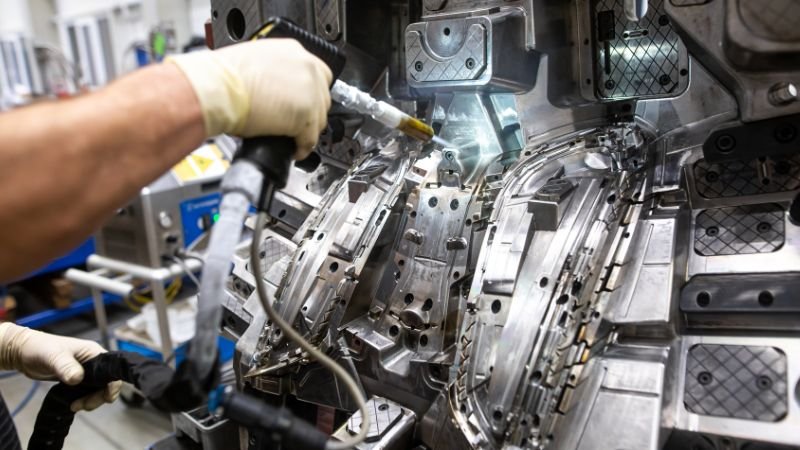
Uhlalutyo lokuhamba kokungunda & UPhuculo loYilo
Ukuphonononga imiba yobugcisa bokudala i-mold, uhlalutyo lokuhamba kwe-mold, kunye nokulungiswa koyilo kuvela njengezigaba ezibalulekileyo. Kubalulekile ukuqinisekisa ukuba imathiriyeli etyhidiweyo ihamba ngokufanelekileyo kwi-mold kwaye uyilo lusulungekile ukusebenza kunye nomgangatho.
Iziseko zoHlalutyo lweMold Flow
- Injongo kunye noBaluleko: Ukutyhila ukuba kutheni uhlalutyo lokuhamba komngundo lubalulekile ekulindeleni imingeni enokubakho yokuvelisa.
- Ubuchwephesha bokulinganisa: Ukusebenzisa izixhobo eziphambili zokulinganisa ukujonga ukuhamba kwezinto, ukuchonga imiba enokubakho, kunye nokuqulunqa izisombululo.
- Uhlalutyo lwedatha: Ukuhlalutya idatha ukusuka kwimilinganiso ukuze kuqondwe ukuguquguquka okuntsonkothileyo kokuhamba kwezinto ngaphakathi kwesikhunta.
Ukuchonga imingeni eNxulumene nokuHamba
- Imigca ye-Weld kunye ne-Air Traps: Ukukhangela iindawo ezilungele ukwenza imigca ye-weld kunye ne-air trap enokuphazamisa ukunyaniseka kwemveliso.
- Uxinzelelo lwe-Shear: Ukuhlalutya imimandla yoxinzelelo oluphezulu lwe-chear olunokuthi luchaphazele iipropathi zezinto kunye nomgangatho wemveliso.
- Ukungahambelani kokupholisa: Ukuchonga ukungahambelani okunokwenzeka ekupholiseni okunokuthi kubangele ukuguqulwa kunye nemiba yomgangatho.
IziCwangciso zokuPhucula uYilo
- Uyilo oluPhindayo: Ukwamkela indlela yokuphinda-phinda, ngokuqhubekayo usulungekisa uyilo lokubumba olusekwe kuhlalutyo lokuhamba kolwazi.
- Balancing Aesthetics and Functionality: Striking a delicate balance between maintaining aesthetic appeal and ensuring functional reliability of the final product.
- Material Efficiency: Optimizing design to ensure minimal material usage while preserving product quality and functionality.
Material Selection and its Impact on Flow
- Material Characteristics: Understanding how different material properties (like viscosity, thermal conductivity, etc.) influence flow within the mold.
- Material-Design Synchronization: Ensuring the mold design is tailored to accommodate and optimize the characteristics of the chosen material.
Integrating Feedback for Continuous Improvement
- Utilizing Real-world Data: Incorporating insights and data derived from actual production runs to further refine mold designs.
- Iimodeli zoYilo oluguquguqukayo: Ukusebenzisa iimodeli eziguquguqukayo ezinokuguqulwa kwaye ziphuculwe ngokweemfuno eziguqukayo kunye nenkqubela phambili yetekhnoloji.
- IziFundo zeeProjekthi eziNgqongileyo: Ukusebenzisa okufundiweyo kunye nokuqonda kwiprojekthi enye ukuqikelela kunye nokujonga imingeni kwiinzame zexesha elizayo.

Ubuchwephesha obukwinqanaba eliphezulu kunye neeNgcaciso zexesha elizayo
Uhambo lokwenziwa komngundo ngokuchanekileyo luhlala luvela, luyilwa liza eliqhubekayo lenkqubela phambili yetekhnoloji kunye neembono ezitsha ezibumba ikamva lemveliso.
Ukubandakanya ubukrelekrele bokwenziwa (AI)
I-Artificial Intelligence ingena ngokuthe chu kwiindawo zokwenza umngundo ngokuthi:
- ULondolozo oluqikelelwayo: Ukusebenzisa i-AI ukuqikelela kunye nokulungiswa kwangaphambili kweemfuno zoomatshini kunye nokugcinwa kwesikhunta, ukunciphisa ixesha lokuphumla elingacwangciswanga kunye nokuqinisekisa ukuchaneka okuzinzileyo.
- UQinisekiso loMgangatho: Ukusebenzisa ii-algorithms ezikrelekrele ukuphonononga kunye nokuqinisekisa ukuthotyelwa komgangatho kuyo yonke inkqubo yokwenza umngundo.
- UkuPhuculwa kweNkqubo: Ukuhlalutya idatha yexesha langempela ukuze kuphuculwe ngamandla inkqubo yokuvelisa, ukuphucula ukusebenza kakuhle kunye nomgangatho wemveliso.
UVeliso oloNgezelelweyo (Ushicilelo lwe-3D)
I-Additive Manufacturing, okanye i-3D Printing, ivula amathuba amatsha ngo:
- Iprototyping eKhawulezayo: Ukukhawulezisa uyilo lokungunda kunye nezigaba zovavanyo ngokudala okukhawulezayo, okunexabiso elisebenzayo lomfuziselo.
- Ukwenziwa ngokwezifiso: Ukuxhobisa abavelisi ukuba bavelise i-mold elungelelanisiweyo kwiimveliso zexesha elifutshane okanye izicelo ze-bespoke.
- Ukwenziwa kweJiyometri entsonkothileyo: Ukwenza ukuveliswa kokungunda ngeejometri ezintsonkothileyo ezinomngeni okanye ezingenakwenzeka ukuvelisa kusetyenziswa iindlela zesintu.
Ukubandakanya i-Intanethi yezinto (IoT)
I-Intanethi yeZinto (IoT) idibanisa iindawo ezibonakalayo kunye nedijithali, izisa:
- Ukubekw'esweni okukude: Ukuququzelela ukujonga ngexesha lokwenyani lenkqubo yokwenza umngundo naphi na, ukuqinisekisa ulongamelo oluqhubekayo kunye nongenelelo olukhawulezileyo xa kufuneka.
- Izigqibo eziqhutywa yiData: Ukusebenzisa amandla edatha edityanisiweyo ukwenza izigqibo ezizizo ezandisa ukusebenza kakuhle
, umgangatho, kunye nozinzo.
- Uhlalutyo oluqikelelweyo: Ukusetyenziswa kwedatha ye-IoT ukuqikelela nokuthintela imiba enokwenzeka, ukukhuthaza indlela esebenzayo yokwenza umngundo.
Uhlaza kunye neZenzo eziZinzileyo
Ugxininiso olukhulayo lokuzinza kokusingqongileyo kungenisa kwiinkqubo ezibandakanya:
- I-Eco-Friendly Materials: Ukuphonononga kunye nokwamkela izinto zokungunda ezinokubola okanye zenziwe kwimithombo ehlaziyiweyo.
- UkuSebenza ngokuSebenza koMbane: Ukuphumeza iinkqubo zokwenziwa kombane kunye nezixhobo.
- Unciphiso lweNkunkuma: Ukunciphisa ukuveliswa kwenkunkuma ngexesha lokwenziwa komngundo kunye nokuphela kobomi bokwenziwa ngokutsha kwezinto zokubumba.
Ukuqukumbela
Ukwenziwa kokungunda okuchanekileyo kukudityaniswa kobugcisa kweenkcukacha ezichuliweyo kunye nokuchaneka kwezenzululwazi, ukuqhuba ukuveliswa kwezinto ezintsha kuwo wonke amashishini afana nezempilo, i-aerospace, i-electronics, kunye neemoto. Isebenza ngokuzolileyo emva kwemiboniso, ilungisa ubomi bethu bemihla ngemihla. Ukujonga phambili, kuya kuvela ngakumbi, ukusebenzisa i-AI, ushicilelo lwe-3D, i-IoT, kunye nozinzo lokuchaza kwakhona okunokwenzeka. Ukuchaneka akuwona nje umgangatho, yibha ehlala inyuka, kwaye umgangatho awugungqi. Ukwenza inaliti yokungunda echanekileyo iquka ubuchule bomntu, ukuma mde kwihlabathi apho nezona nkcukacha zincinci zibambe amandla obukhulu.